Nashi Pear Varieties Grown in Australia
A guide to the Nashi pear varieties Australian shoppers and growers actually see: Nijisseiki, Hosui, Kosui, Shinko, Shinseiki, Chojuro, and Housi.
The Nashi pear varieties grown in Australia are mostly Japanese cultivars introduced for the commercial industry that started in the Goulburn Valley in the 1980s. The everyday range covers Nijisseiki, Hosui, Kosui, Shinseiki, Shinko, Chojuro, and the newer Housi. Nashi was first planted commercially in the Goulburn Valley in the 1980s, and Australian Nashi growers still produce most of what local shoppers see in winter. Nijisseiki, often translated as “20th Century”, is the variety most Australian shoppers actually recognise.
Quick guide to Australian Nashi varieties
- Nijisseiki: smooth yellow-green skin, crisp, mildly sweet. Mid to late season. The benchmark supermarket Nashi.
- Hosui: bronze-russet skin, juicy and sweet. Mid-season. Often the variety home growers prefer.
- Kosui: small, russet, very sweet. Early season. Less common in retail, valued by growers.
- Shinseiki: smooth pale yellow skin, mild, crisp. Mid-season. Translates as “new century”.
- Shinko: russet, firm, stores well. Late season. The variety that carries supply into early winter.
- Chojuro: older bronze-russet variety with a distinctive butterscotch note. Mid-season.
- Housi: larger newer russet variety, sweet and juicy. Mid to late season.
Most Australian Nashi sold at Coles, Woolworths, and independent greengrocers is labelled simply “Nashi” or “Nashi pears”. Variety names appear more often at farmers markets, fruit barns in the Goulburn Valley, and through grower-direct box schemes.
The Australian Nashi industry in brief
Apple and Pear Australia (APAL) is the peak industry body. Commercial Nashi planting in Australia began in the Goulburn Valley in Victoria in the 1980s, supported by Japanese export contracts and local entrepreneur growers. Today the main growing regions are:
- Goulburn Valley, Victoria (Shepparton, Ardmona, Mooroopna, Tatura). The largest production area.
- Tasmania. The Huon Valley and Tamar Valley, where the cooler climate produces fruit with crisp texture and high acid balance.
- Granite Belt, Queensland (Stanthorpe and Applethorpe). Highland orchards that fruit a little later.
The Australian season runs late February through May, with cold-stored Shinko and Nijisseiki carrying retail supply into early winter. See nashi pear season for the full month-by-month calendar.
Nijisseiki
The most widely sold Nashi in Australia. Nijisseiki has a smooth yellow-green peel, crisp white flesh, and a clean, mildly sweet flavour with a touch of acidity. It is the variety most Australian shoppers picture when they hear “Nashi pear”. The cultivar was discovered in Matsudo, Chiba prefecture, Japan in 1888 by a teenager named Kakunosuke Matsudo. In Australia it is grown across the Goulburn Valley, the Granite Belt, and Tasmania, and it sits at the centre of the autumn retail season.
Read the full profile for at-a-glance specs, the Matsudo origin story, and uses in the kitchen.
Hosui
Hosui has a bronze-russet skin, very juicy yellow-white flesh, and a richer, sweeter flavour than Nijisseiki. It was released in Japan in 1972 as a cross of Kikusui and (Yakumo x Yasato). Hosui is often the variety backyard growers in Australia choose first because the juice yield is high and the fruit eats well even from a young tree. In the Goulburn Valley it is one of the mainstays alongside Nijisseiki and Shinseiki.
Read the full profile for the parentage detail, pollination partners, and how Hosui compares with Williams and Beurre Bosc.
Kosui
Kosui (“good water”) is a small, early-season Japanese Nashi with a russet skin and very sweet flesh. It is one of the parents of Hosui through the Kikusui line that runs through several modern cultivars. In Australia, Kosui is grown in smaller volumes than Nijisseiki and Hosui. It tends to appear at farmers markets and grower-direct box schemes from late February into March, rather than on supermarket shelves. The fruit is best eaten fresh and does not store as long as Shinko.
Shinseiki
Shinseiki translates as “new century”. It is a smooth-skinned, pale yellow Nashi with crisp, juicy, mildly sweet flesh. Shinseiki sits between Nijisseiki and the russet varieties in flavour and is widely planted in Australian commercial blocks for its reliability and clean appearance. Mid-season fruit usually arrives in March and April. The variety is self-fertile to a useful degree, which is why it is often recommended for smaller backyards.
Shinko
Shinko is a late-season russet Nashi with firm, sweet flesh and a long storage life. The variety is pre-1941 in Japan and was one of the early introductions to Australian commercial orchards. In the Goulburn Valley, Shinko fruit is often the variety that carries cold-stored supply into May and early winter. The flavour is slightly more aromatic than Nijisseiki, and the firmness suits slicing for cheese boards and salads.
Chojuro
Chojuro is one of the older Japanese russet varieties, dated to the late 19th century. The skin is bronze, the flesh is dense, and the flavour carries a distinctive butterscotch or caramel note that sets it apart from the cleaner sweetness of Hosui. Australian commercial volumes are small, and the variety appears more often in heritage orchards, farmers markets, and backyard plantings than in supermarkets. Chojuro is a useful cooking Nashi because the flesh holds its shape under heat.
Housi
Housi is a newer larger-fruited russet Nashi grown in modest volumes in Australia. The fruit is sweet, juicy, and a useful size for fresh eating. It is sometimes labelled by name at independent greengrocers in Melbourne and Sydney during peak season, but most Housi sits inside the generic “Nashi” supermarket category. Backyard growers in cool-temperate Australia plant it for the fruit size and the reliable cropping.
Ya Li and other Chinese pears
Ya Li and Tsu Li are Chinese pear (Pyrus bretschneideri and Pyrus ussuriensis) varieties that occasionally cross over with Nashi in Australian retail. They are pear-shaped rather than apple-shaped, and the flavour is sweeter and more aromatic than Nijisseiki. Some grocers and markets label them as Nashi; others list them separately as Asian or Chinese pears. The botanical distinction is real, but in the shop the eating experience is close enough that many Australian buyers treat them interchangeably.
How Nashi compare with other pears and apples
Nashi pears are apple-shaped, crisp, and ripen on the tree. European pears like Beurre Bosc, Williams (Bartlett), and Packham are pear-shaped, buttery when ripe, and finish ripening off the tree. The two are not interchangeable in cooking: a Nashi holds its shape in salads and on cheese boards, while a Williams collapses into the soft sweetness that poached pear desserts depend on.
Texturally, Nashi pears are closer to apples than to European pears, which is why they are sometimes called “apple pears”. Compared with an apple, a Nashi has higher water content, a more floral aroma, and less acid bite. The botanical link is real: both Pyrus and Malus sit in the Rosaceae family.
For full breakdowns, see Nashi pears vs European pears and Nashi pears vs apples.
Buying by variety in Australia
Most major supermarket Nashi is sold unlabelled by variety. To buy a specific cultivar, the most reliable channels are:
- Farmers markets in Melbourne, Sydney, Hobart, and Brisbane during March to May.
- Goulburn Valley fruit barns at Shepparton, Ardmona, and Mooroopna.
- Grower-direct box schemes that ship from Victorian and Tasmanian orchards.
- Greengrocers and independent fruit shops in inner-city areas, especially those with Japanese or Korean customer bases.
If a label reads only “Nashi”, the fruit is most likely Nijisseiki, Hosui, Shinseiki, or Shinko depending on the month.
Growing Nashi varieties at home
Most Nashi varieties need a cross-pollinator, which means a second pear variety flowering at the same time within roughly 30 metres. Hosui and Nijisseiki are common pollination partners for each other. Williams pear is also a useful pollinator for several Nashi cultivars. Shinseiki is partially self-fertile and is sometimes planted alone in small gardens. See the growing pillar for full pollination notes.
Related pages
Explore Varieties
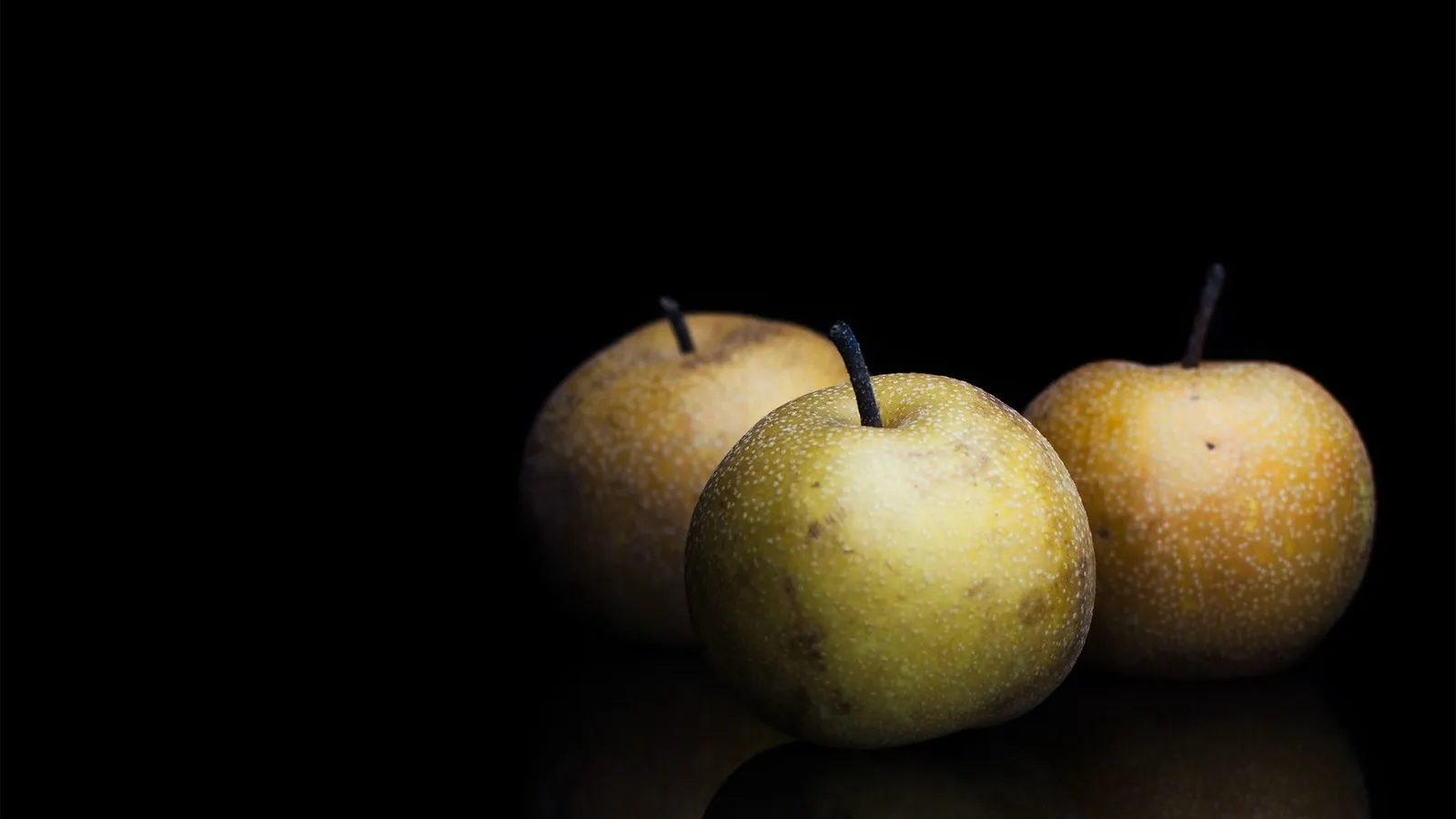
Hosui Nashi Pear
Hosui is the bronze-russet Nashi pear: juicier, sweeter, and the variety Australian backyard growers reach for first. Origin, season, and uses.
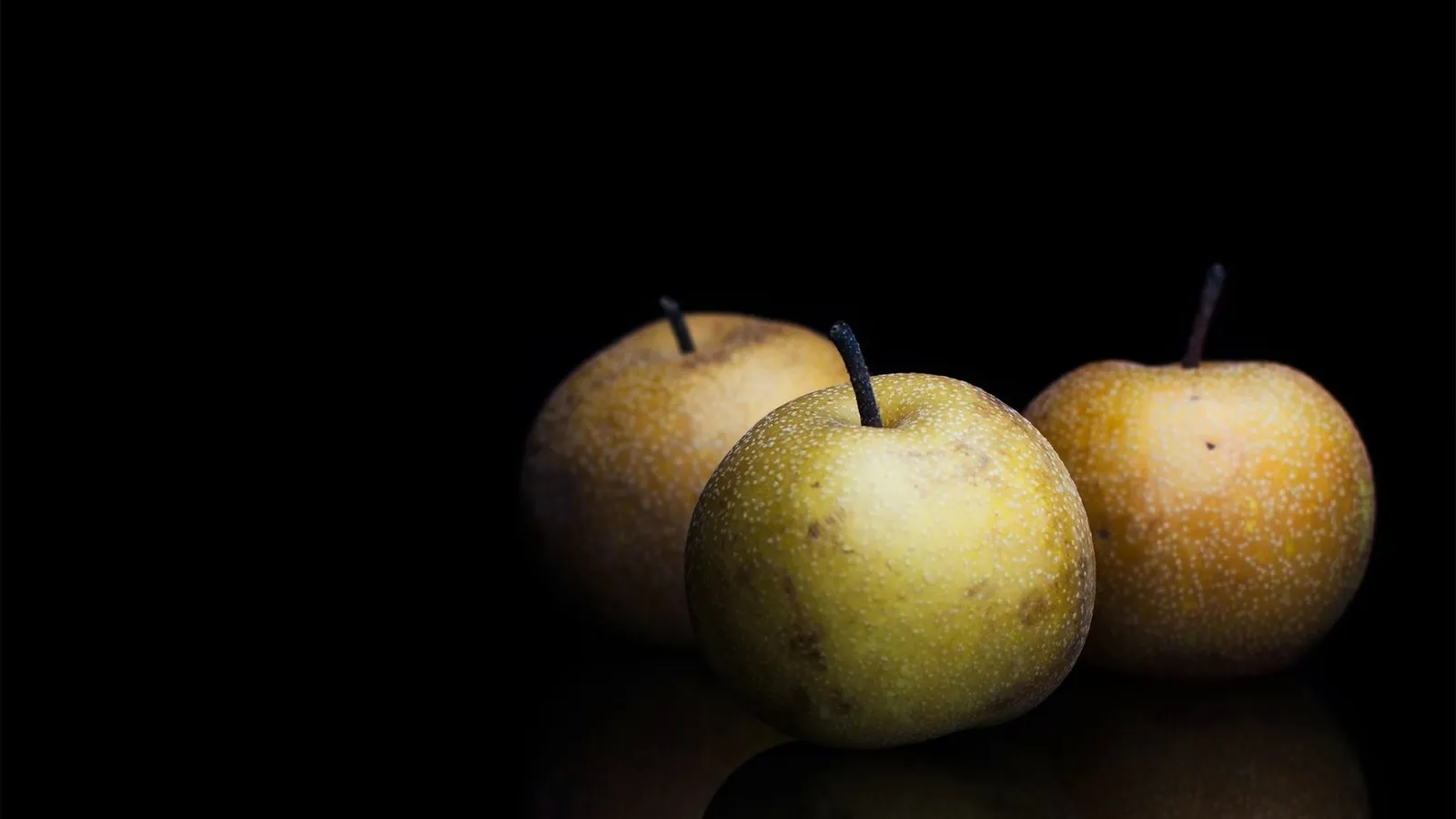
Nashi Pears vs Apples
Nashi pears are crisp like apples but with higher water content, less acid, and a floral flavour. The botanical link, kitchen uses, and how they compare.
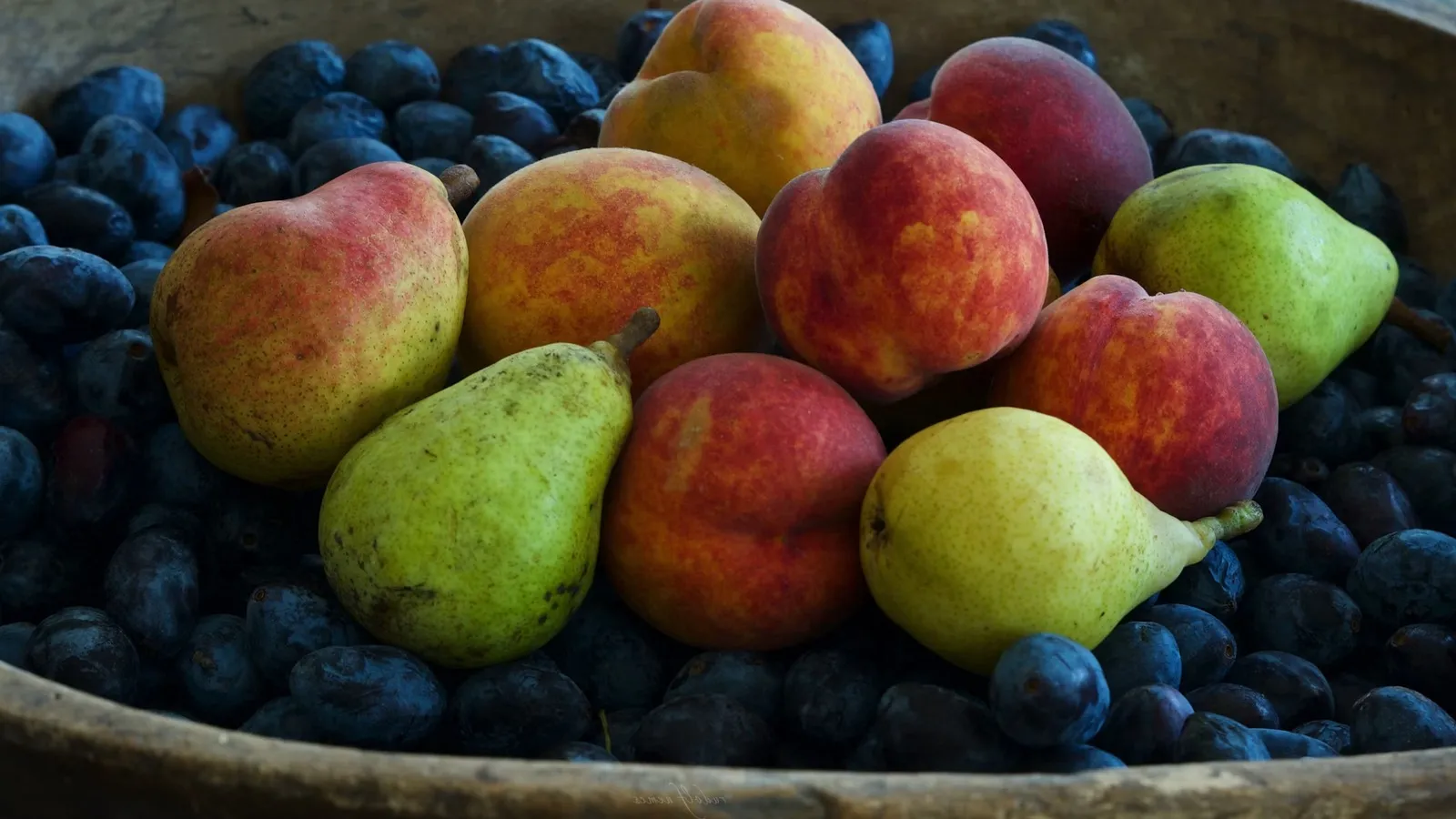
Nashi Pears vs European Pears
Nashi pears are crisp and ripen on the tree. European pears like Beurre Bosc, Williams, and Packham are buttery and ripen off the tree. The full comparison.
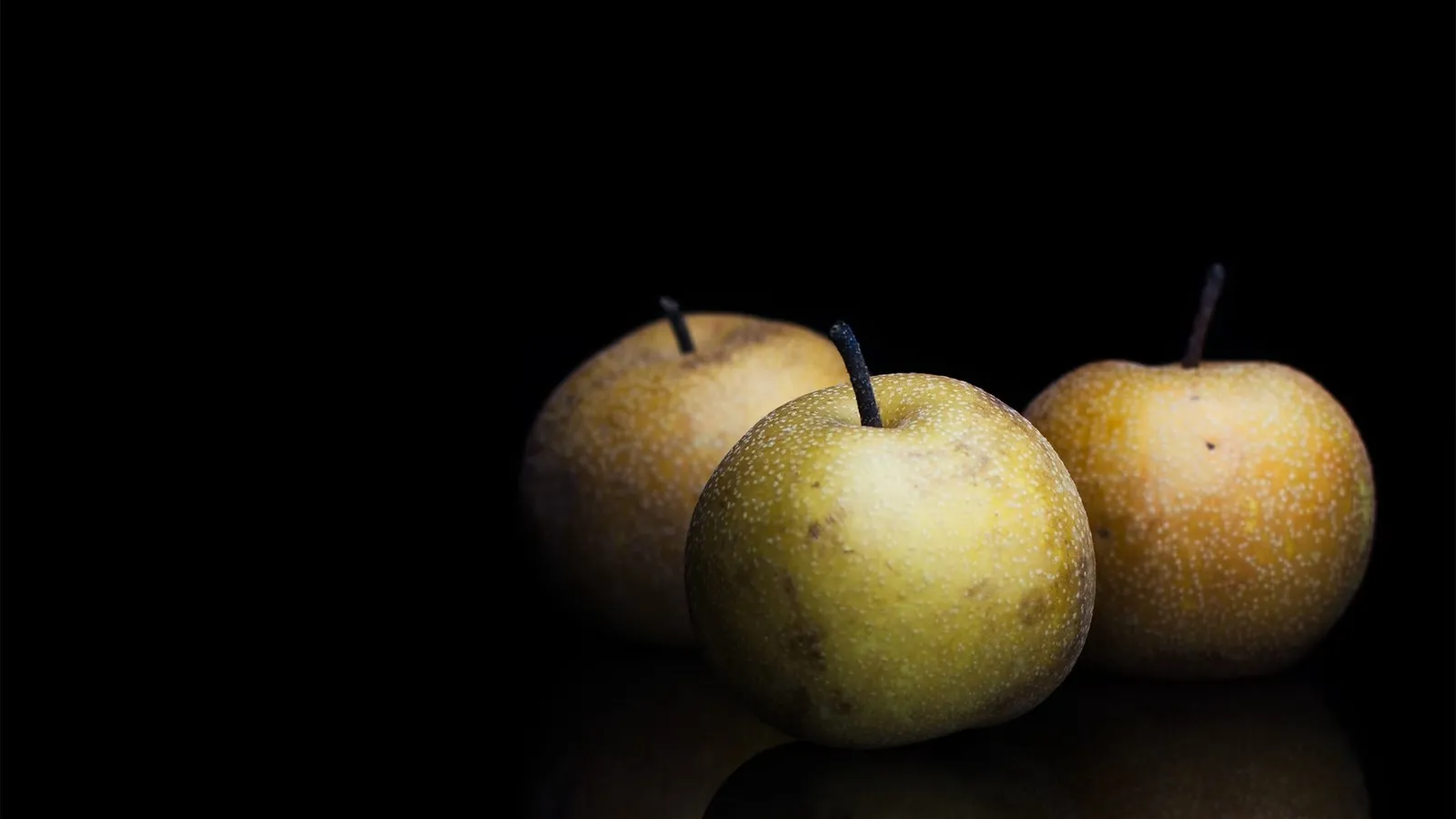
Nijisseiki Nashi Pear
Nijisseiki is the smooth-skinned yellow-green Nashi pear most Australian shoppers recognise. Origin, season, flavour, and where it is grown.