The Australian guide to Nashi pears
Australian Nashi Pears.
Nashi was first planted commercially in the Goulburn Valley in the 1980s, and Australian Nashi growers still produce most of what local shoppers see in winter. Hosui and Kosui open the season in February, Nijisseiki and Shinseiki carry the peak through March and April, and Shinko closes it out in May. This site is the practical reference: varieties, season, backyard growing, recipes, nutrition, and the regions that grow the fruit.
Why this site exists
Australian Nashi pears have their own story.
Most Nashi content online is written for the United States, Korea, or Japan, where the names, seasons, and pests are different. Nashipear.com.au is built around Australian varieties (Nijisseiki, Hosui, Kosui, Shinko, Shinseiki, Chojuro), the Australian autumn-to-early-winter season, our climate zones, our biosecurity issues (codling moth, fire blight, pear and cherry slug), and the regions that grow the fruit. The hook is the Goulburn Valley, where Nashi was first planted commercially in the 1980s.
Explore by topic
Start with the question you have.
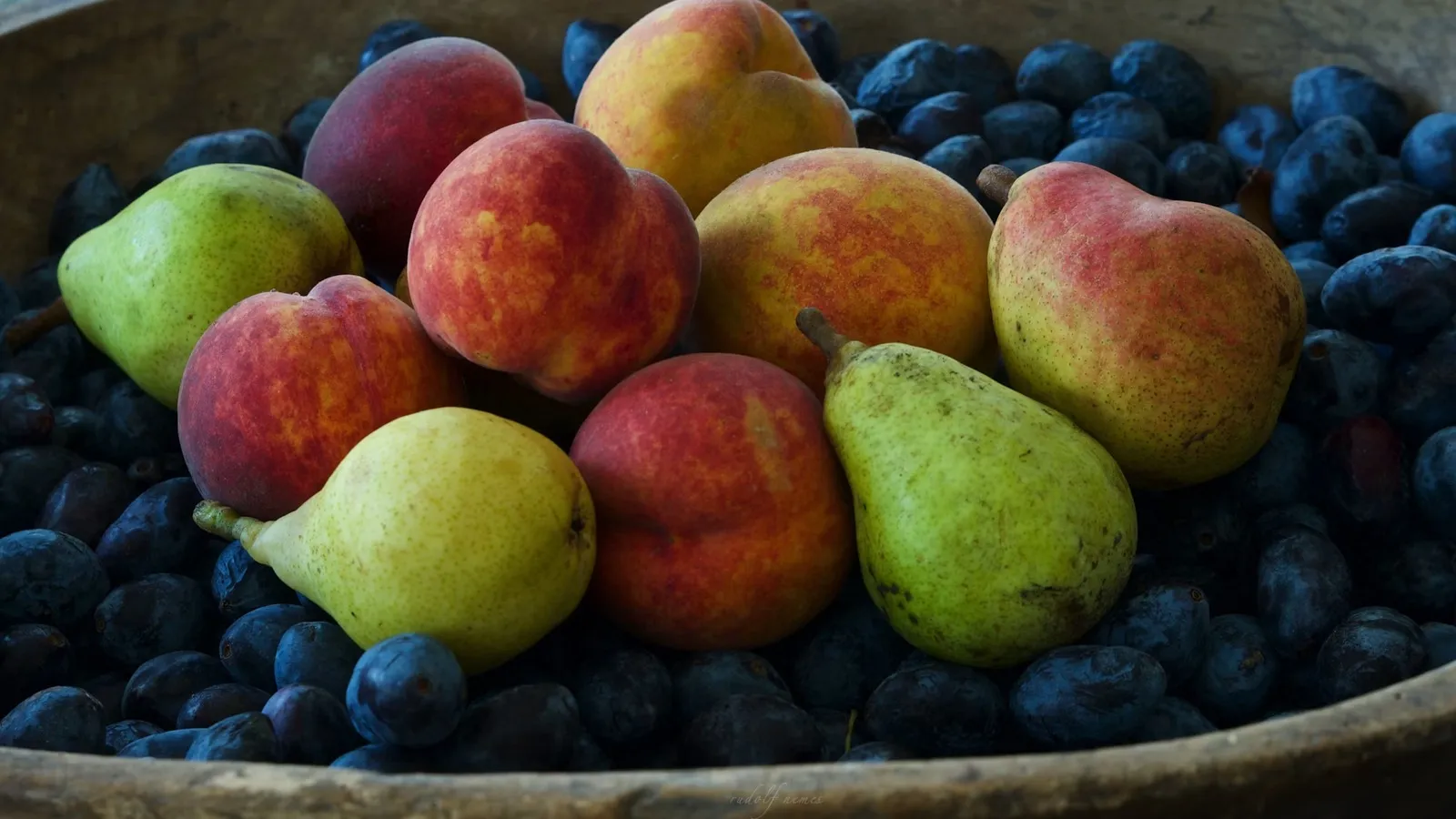
Australian Nashi Pear Varieties
Nijisseiki, Hosui, Kosui, Shinko, Shinseiki and the comparisons Australian shoppers actually search for.
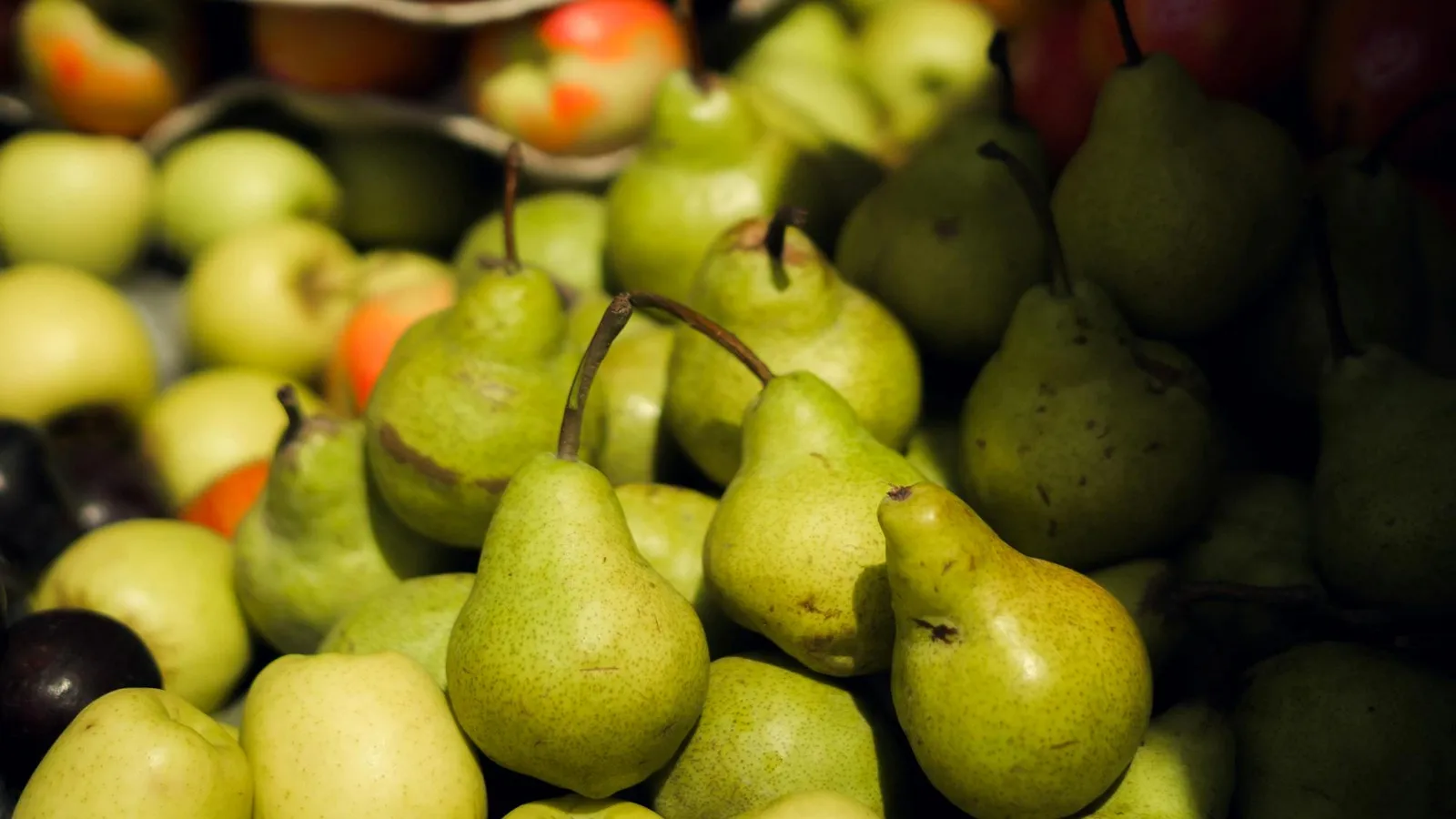
Australian Nashi Pear Season
Month by month from February to May, how to pick good fruit at Coles, Woolworths and the markets, plus storage and farm direct buying.
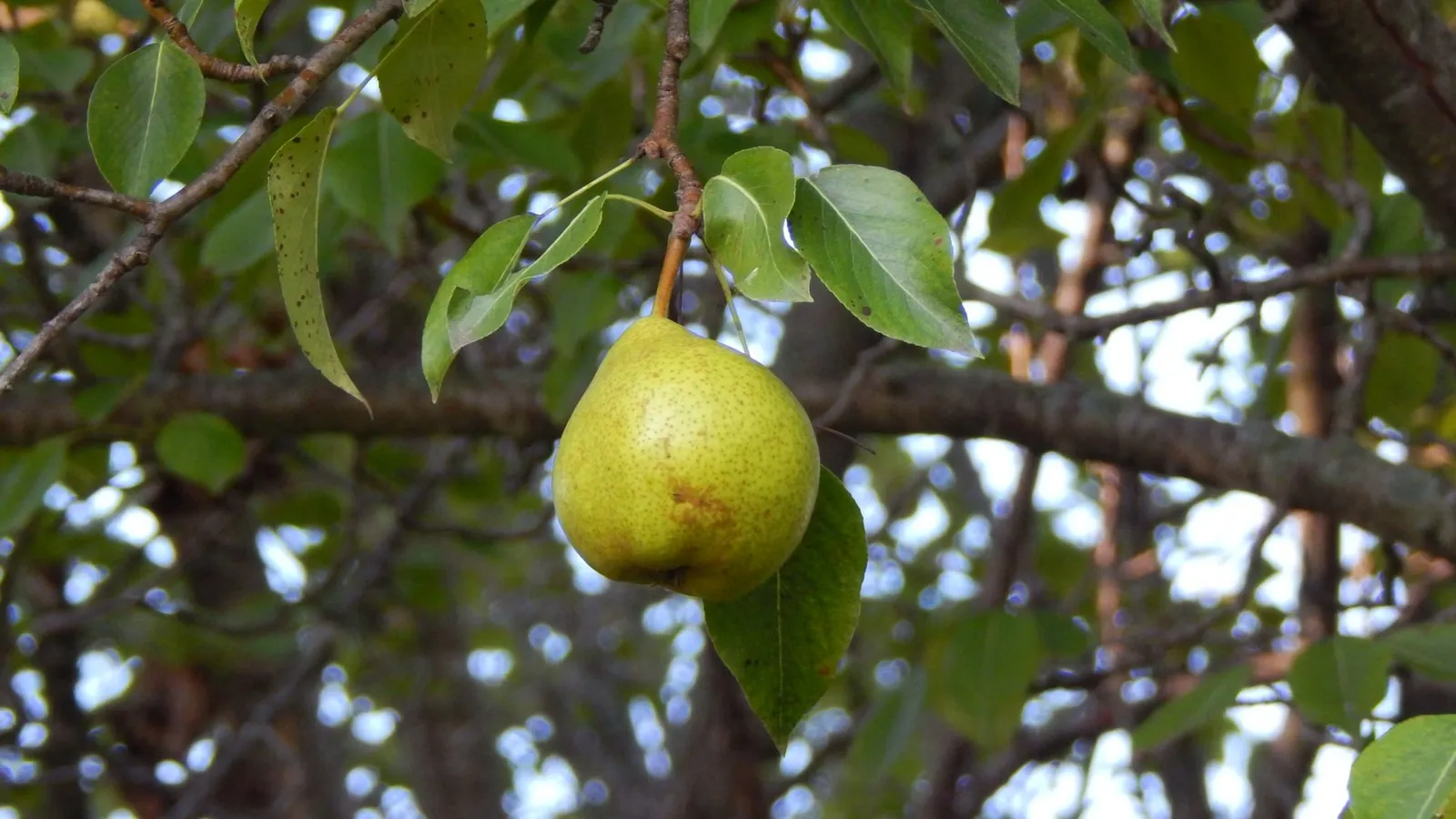
Growing Nashi Pears at Home
Australian backyard advice: climate zones, dwarf trees, pollination partners, codling moth, pear and cherry slug.
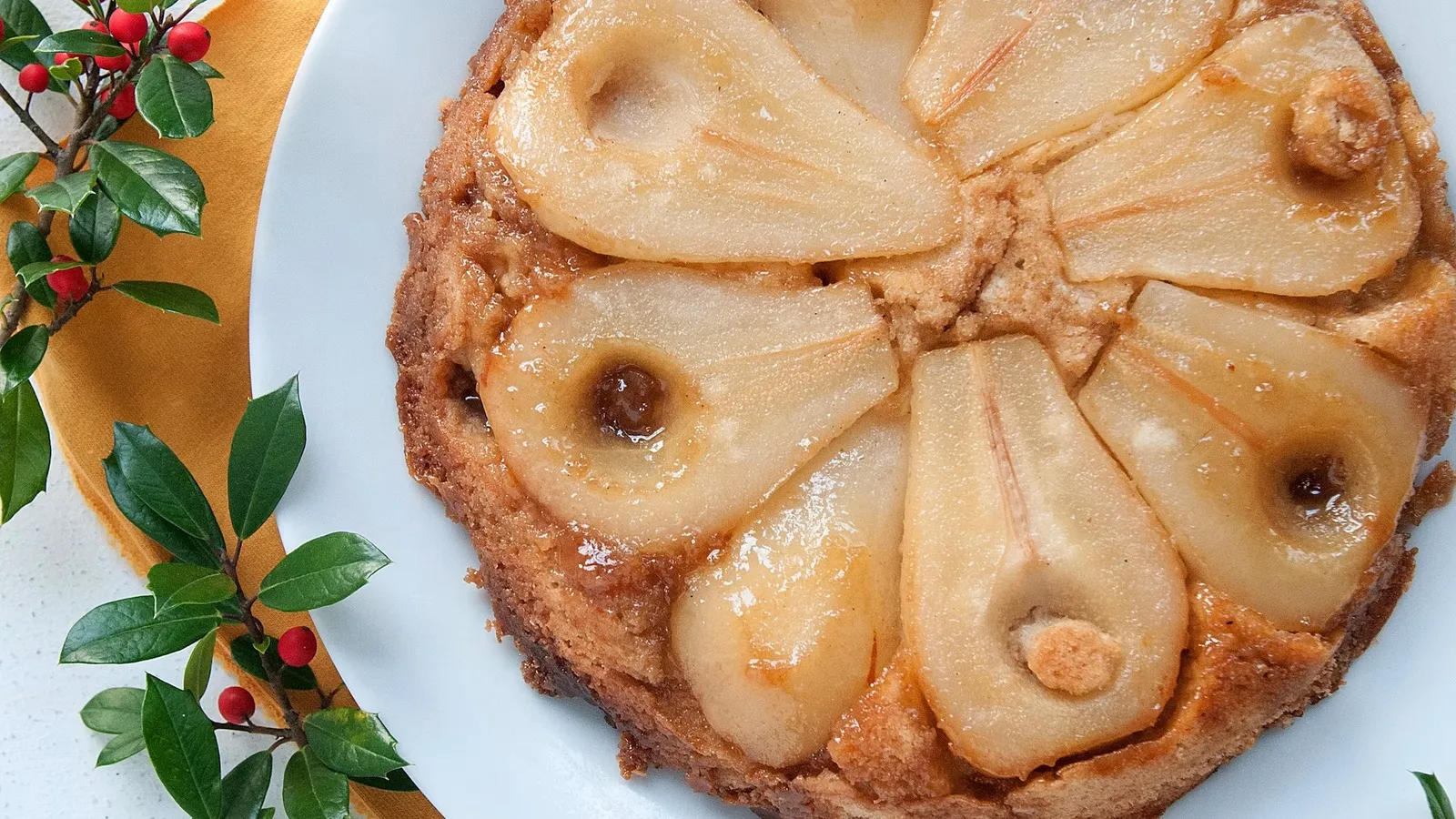
Nashi Pear Recipes
Autumn salads, almond and polenta cakes, frangipane tarts, poached pears, jams, cheese boards.
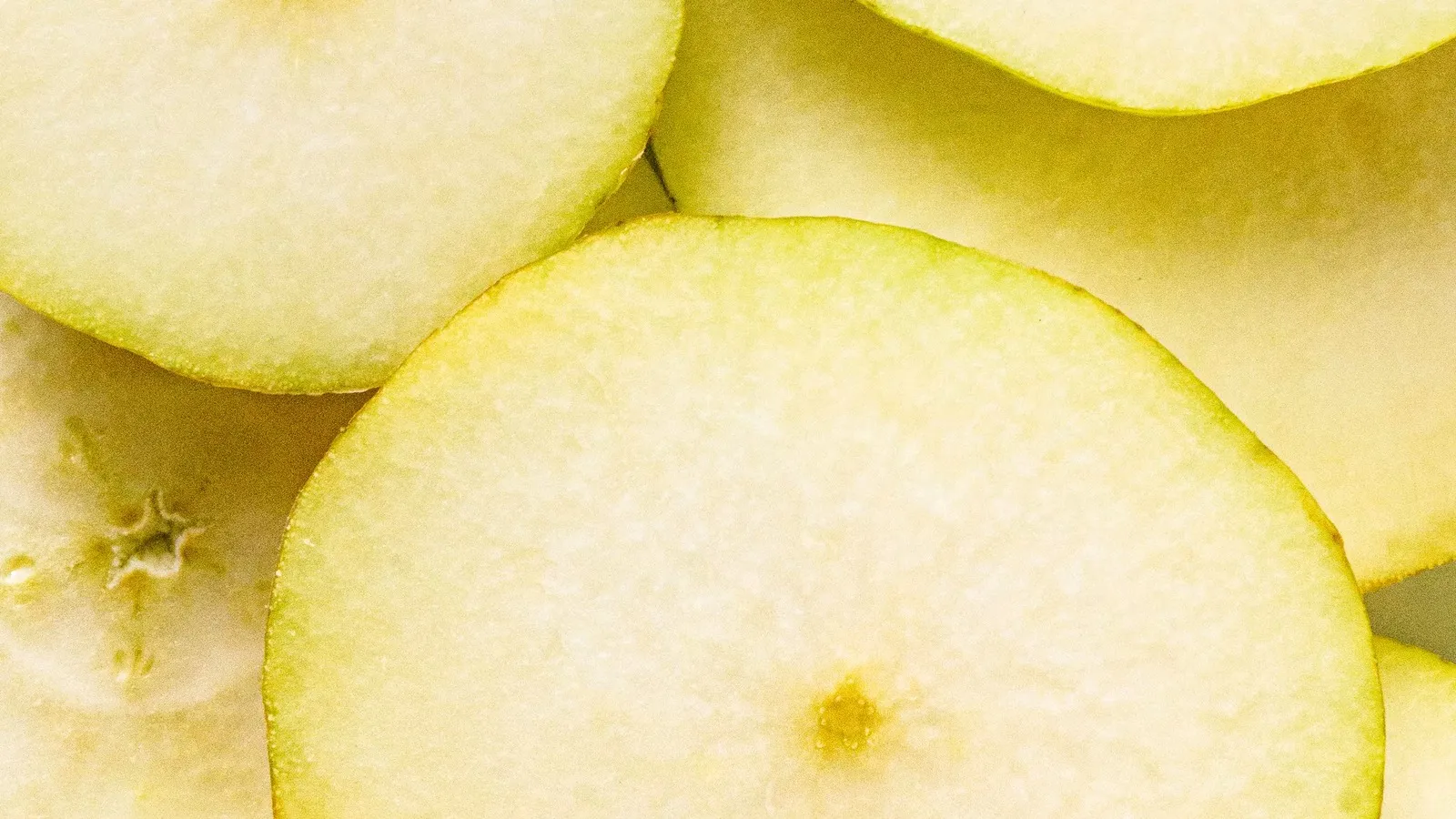
Nashi Pear Nutrition
Calories, fibre, vitamin C, kids, pregnancy, diabetes, and the question about whether dogs can eat them.
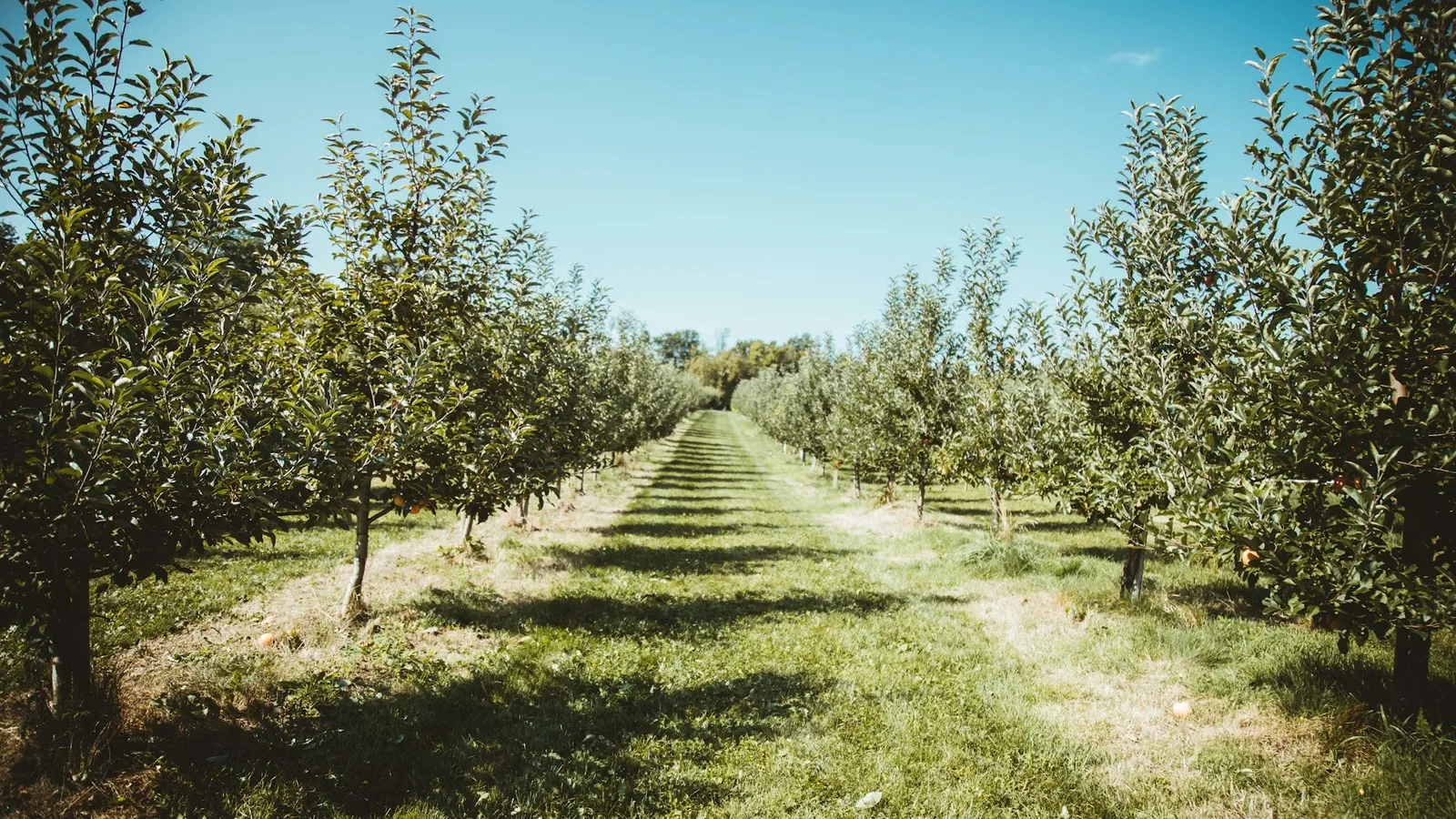
The Australian Nashi Pear Industry
Goulburn Valley, the Huon and Tamar in Tasmania, the Granite Belt in Queensland, plus prices and exports.
History & Culture
The Japanese-Australian arrival story, the 1980s Goulburn Valley plantings, and the long naming confusion.
Featured guides
The most useful Australian Nashi pear reads
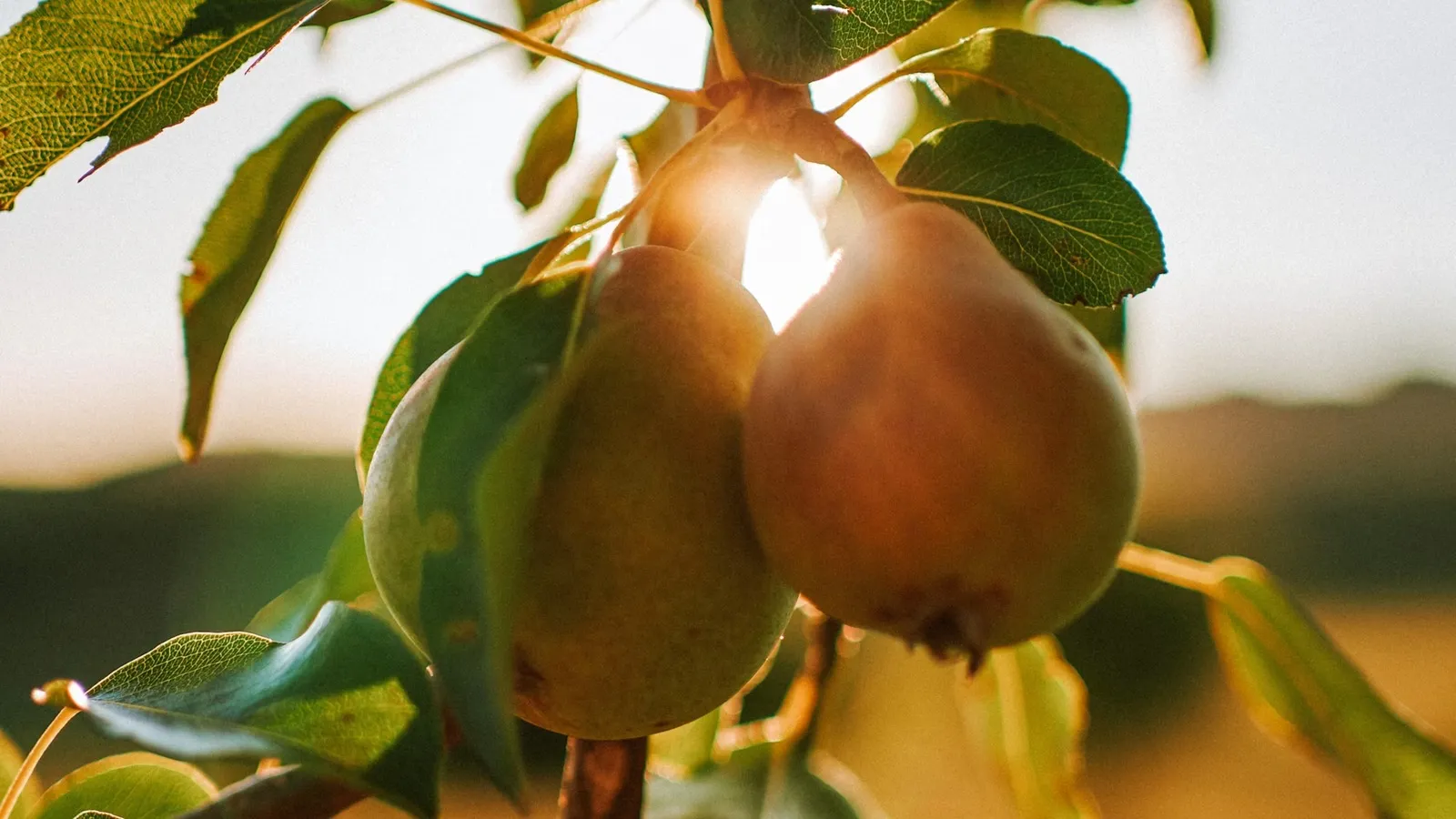
The Best Nashi Pear Trees for Australian Backyards
The best nashi pear trees for Australian backyards by climate zone and garden size, with the pollination partner each variety needs.

Can Dogs Eat Nashi Pears?
Can dogs eat Nashi pears? A common Australian search. Here is what a Nashi pear contains and where to find personalised guidance for a specific dog.
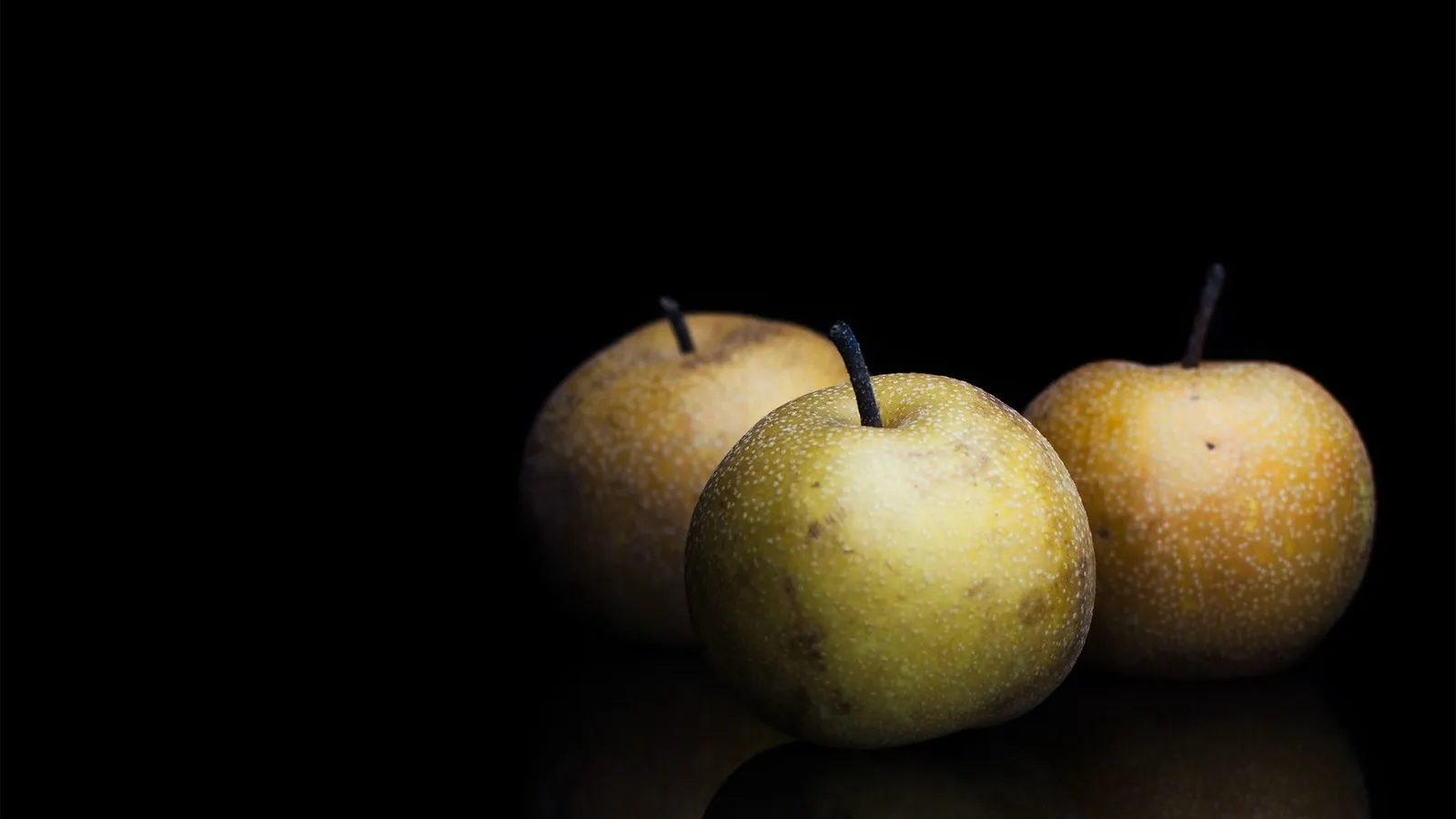
Hosui Nashi Pear
Hosui is the bronze-russet Nashi pear: juicier, sweeter, and the variety Australian backyard growers reach for first. Origin, season, and uses.
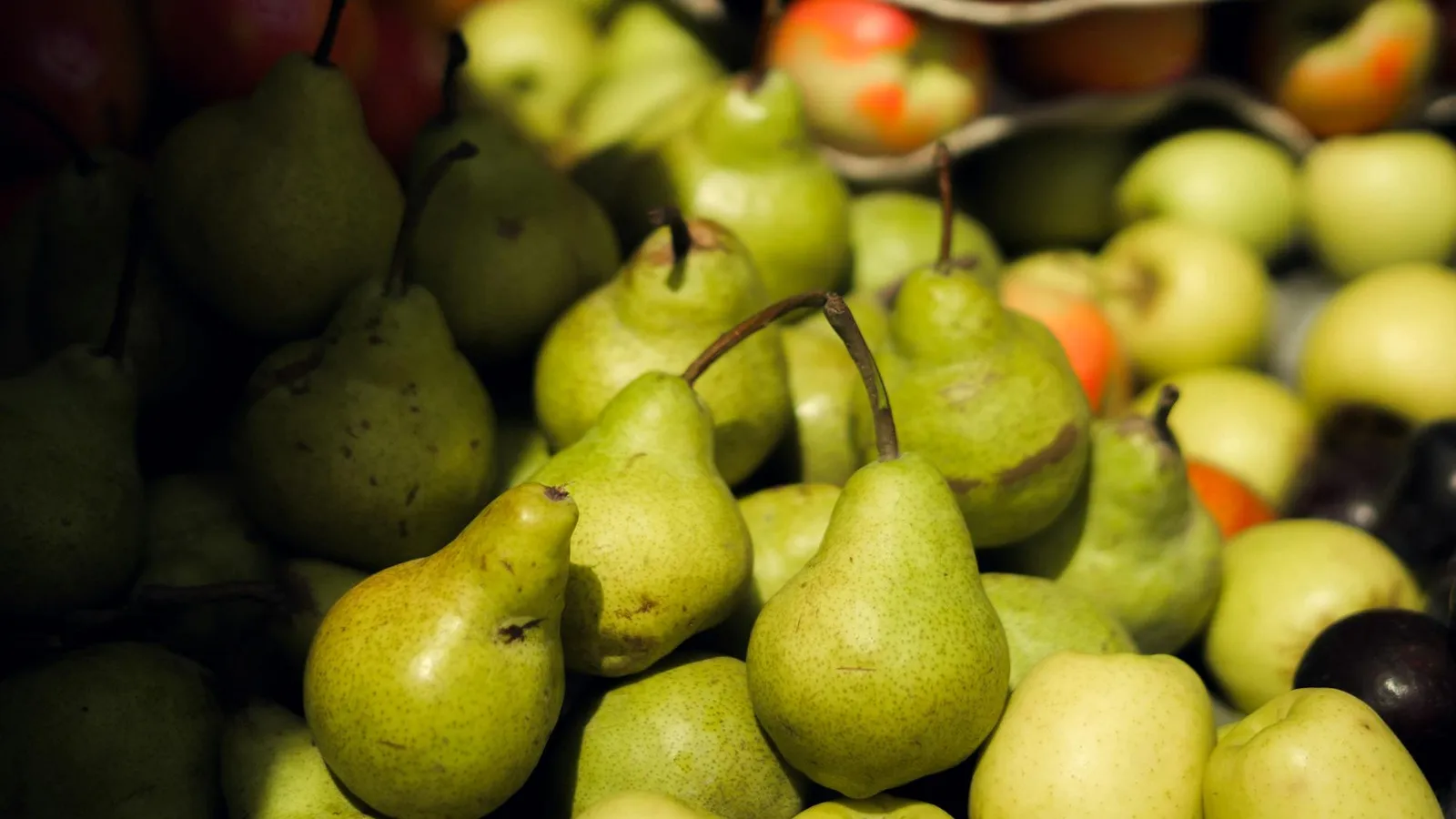
How to Pick Nashi Pears
How to pick nashi pears at an Australian shop or market: firm fruit, heavy for size, golden-brown skin with even russet, faint sweet scent.
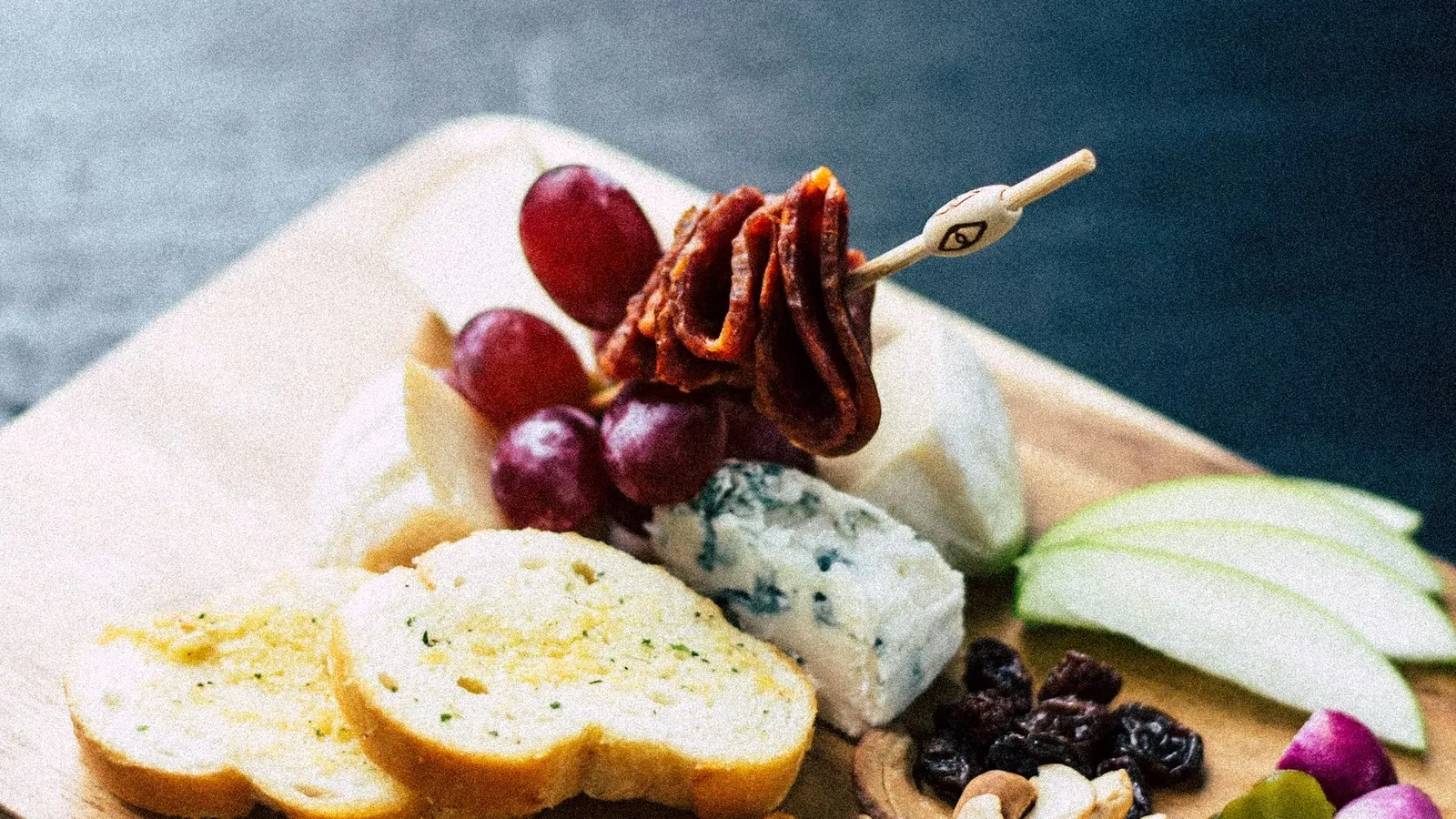
Nashi Pear Health Benefits
Nashi pear health benefits in plain Australian terms: hydration, fibre, low glycaemic load, modest vitamin C. Descriptive, not medical advice.
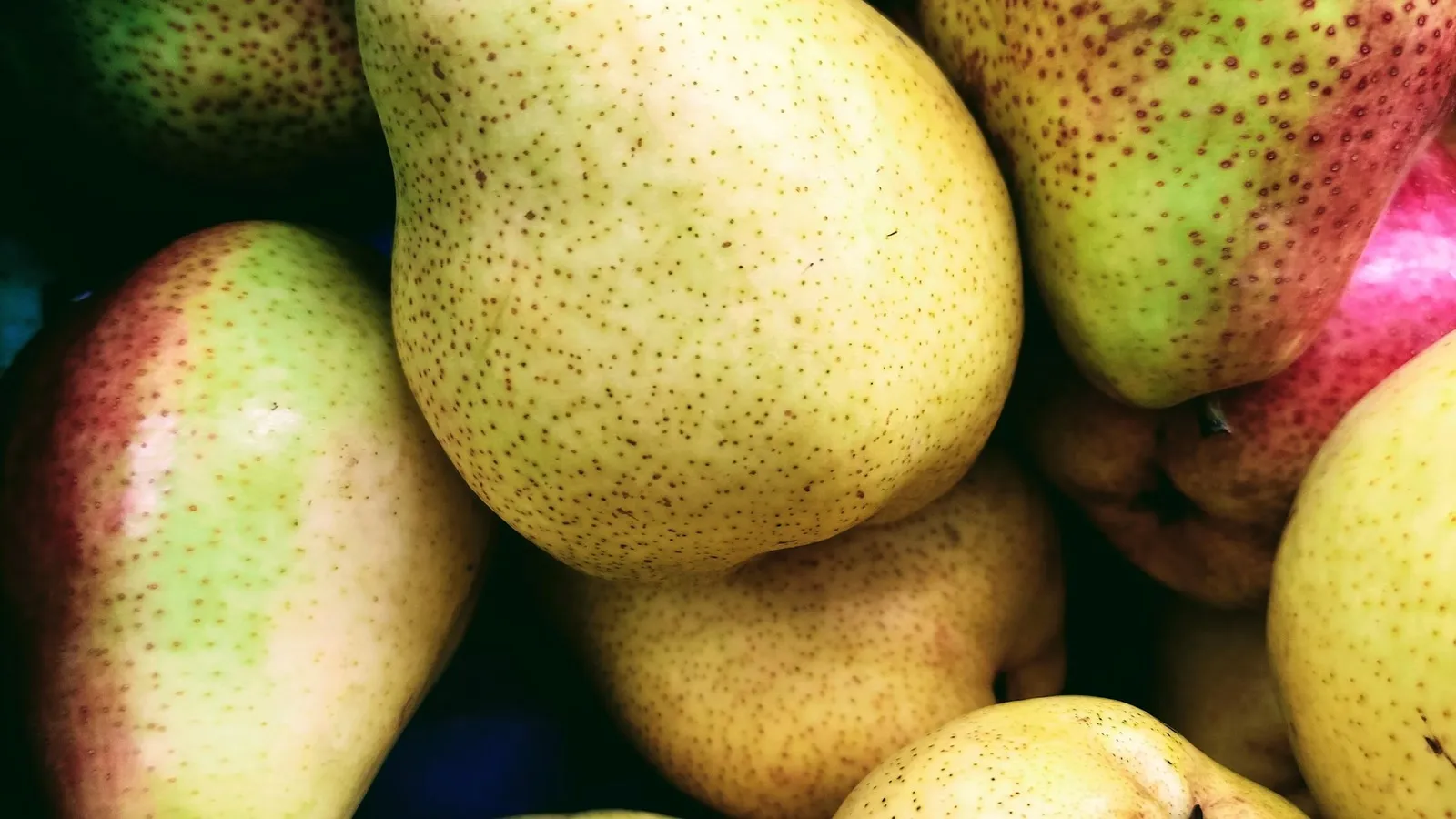
Nashi Pear Season in Australia
Nashi pears are in season in Australia from late February to May, with peak supply in March and April from the Goulburn Valley.
The Australian season
When Australian Nashi pears are in the shops
Late summer
February
Kosui and early Hosui arrive. Smaller, juicier fruit, often labelled simply as nashi at the supermarket.
Early autumn
March
Hosui peaks. Nijisseiki begins. The widest variety choice of the year at the markets.
Mid autumn
April
Nijisseiki and Shinseiki carry the peak window. Best fruit for salads and cheese boards.
Late autumn
May
Shinko closes the fresh season. Cold-stored Nashi continue into early winter.
Full guide: when Nashi pears are in season in Australia.
Nashi pears, properly Australian.
From a supermarket two-pack to a backyard espalier in a small garden, the advice on this site is local: Australian seasons, Australian pests, Australian terms, Australian sources.
Open the buying guide