Buying Nashi Pears in Australia
Buying nashi pears in Australia comes down to season, variety, where to shop, picking a good one, and storing it properly. A practical guide.
Buying nashi pears in Australia comes down to knowing the season, recognising a good piece of fruit at the shop, and storing it correctly. The season is short. Most local supply runs from late February through May, with cold-stored fruit carrying supermarket shelves into early winter. This guide covers all the key buying questions and links out to the detailed pages.
When are nashi pears in season?
Australian nashi pears are in season from late February to May, with peak supply in March and April. The Goulburn Valley in Victoria leads the season, with Tasmania and the Granite Belt following on. From June through August, supermarkets continue to stock cold-stored Nijisseiki and Shinko, though quality varies. From September to January, fresh local supply is finished and any “nashi” or “asian pear” on the shelf is most likely imported Korean fruit (Singo or Niitaka).
For the full month-by-month breakdown, see nashi pear season in Australia.
What supermarkets call them
Most Australian supermarkets label them simply “nashi” or “nashi pears”, sometimes “asian pear”. The terms nashi, Asian pear, Japanese pear, and sand pear all refer to the same broad fruit type (Pyrus pyrifolia). Korean pears and Chinese pears (such as Ya Li) are closely related and sometimes lumped under the same retail signage.
Variety names rarely appear at the major chains. To buy by variety, head to a greengrocer, a fruit barn in the Goulburn Valley, or a farmers market.
Where to buy
Coles and Woolworths. Both chains stock nashi from about late February through July or August. Quality is best from March to May when turnover is high and the fruit is freshly picked. Later in winter the fruit on the shelf has been cold-stored. Expect to pay around $5 to $9 per kilogram or roughly $1 to $1.50 per piece.
Harris Farm Markets (NSW). Harris Farm tends to carry named varieties through the peak season, including Hosui and Nijisseiki, and is a reliable source if you want to compare types side by side.
Independent greengrocers. Greengrocers in Melbourne and Sydney often stock loose nashi at $5 to $7 per kilogram in season, with better turnover and the option to pick individual fruit. Asian grocers are also worth checking, particularly in Melbourne’s southeast and Sydney’s inner west.
Sydney Markets (Flemington) and Brisbane Markets (Rocklea). The wholesale markets are the source for most of what greengrocers stock. Both have growers’ areas open to the public on certain mornings, and both publish weekly produce reports useful for tracking nashi supply and pricing through the season.
Goulburn Valley grower direct. Several growers and packing sheds around Shepparton, Ardmona, Mooroopna, and Tatura sell direct in season, including through roadside fruit stalls and box schemes. This is the freshest option and often the cheapest per kilogram for premium fruit. Apple and Pear Australia (apal.org.au) is the peak industry body and a useful starting point for finding grower information.
Asian grocers. In Sydney, Melbourne, and Brisbane, Asian grocers carry nashi through the local season and often continue with imported Korean fruit out of season. Pricing is competitive, particularly for box quantities. Variety labelling is usually generic, so apply the visual checks below.
Variety by month
A rough guide to what you are likely to find through the season:
- Late February: very early Hosui from the Goulburn Valley, limited supply.
- March: Hosui peak, Kosui at greengrocers, Nijisseiki begins.
- April: Nijisseiki peak, Shinseiki peak, Hosui tail, early Shinko.
- May: Shinko peak, late Nijisseiki, end of the fresh season.
- June to August: cold-stored Nijisseiki and Shinko at supermarkets. Quality variable.
- September to January: imported Korean Singo or Niitaka under “asian pear” labelling.
For the full variety breakdown by appearance and flavour, see nashi pear varieties.
How to recognise a good nashi pear
The big point first: nashi pears do not soften and ripen on the counter the way European pears do. They are picked ready to eat. A firm nashi is a fresh nashi. A soft nashi is overripe.
With that in mind, the checks are simple:
- Skin. Even golden-brown colour with consistent russet, especially for Hosui. Smooth pale yellow-green is correct for Nijisseiki and Shinseiki. Avoid heavy green tones unless it is very early in the season.
- Feel. Firm under gentle pressure. Not rock hard, not yielding. Similar to a good apple.
- Weight. Heavy for size. Nashi are mostly water, and a light fruit is a dry fruit.
- Smell. A faint sweet or floral scent at the stem end is a good sign.
- Stem. Still attached, dry, not slimy or mouldy.
Avoid bruises, soft patches, and any wrinkled or sunken skin. For more detail, see how to pick nashi pears.
How to store them
The fridge crisper is the main answer. A firm nashi will hold for two to three weeks in the crisper drawer, ideally in a perforated bag or loose. At room temperature, expect three to seven days. Nashi absorb odours, so keep them away from onions, strong cheeses, and anything heavily aromatic. Stack lightly. The flesh bruises easily.
For the full storage guide, see how to store nashi pears.
Price expectations
Through the 2024 to 2026 seasons, typical retail pricing has run:
- Supermarkets: $5 to $9 per kilogram, or roughly $1 to $1.50 per piece for loose fruit.
- Markets and greengrocers: $4 to $7 per kilogram in season.
- Grower direct (Goulburn Valley): the best value per kilogram for box quantities of premium fruit.
Prices climb in late winter when only cold-stored or imported fruit is available, and again around Lunar New Year when demand for the “asian pear” category lifts briefly. Buying by the box from a Goulburn Valley grower during April will usually beat supermarket pricing on a per kilogram basis and gives you the freshest fruit you will find anywhere in the country.
A note on labelling confusion
Shoppers often ask whether nashi pear, Asian pear, Japanese pear, and sand pear are different fruit. They are not. All four names describe the same family. The Korean pear (Singo, Niitaka) and Chinese pears (Ya Li, Tsu Li) are close relatives in the same group, with slightly different shape and skin colour. Australian supermarkets generally use “nashi” or “nashi pears” for the local Japanese cultivars and “asian pear” as a broader catch-all for imports. If you want a particular variety, look for it by name at a greengrocer rather than at the major chains.
Buying pages
Related pages
Explore Buying Guide
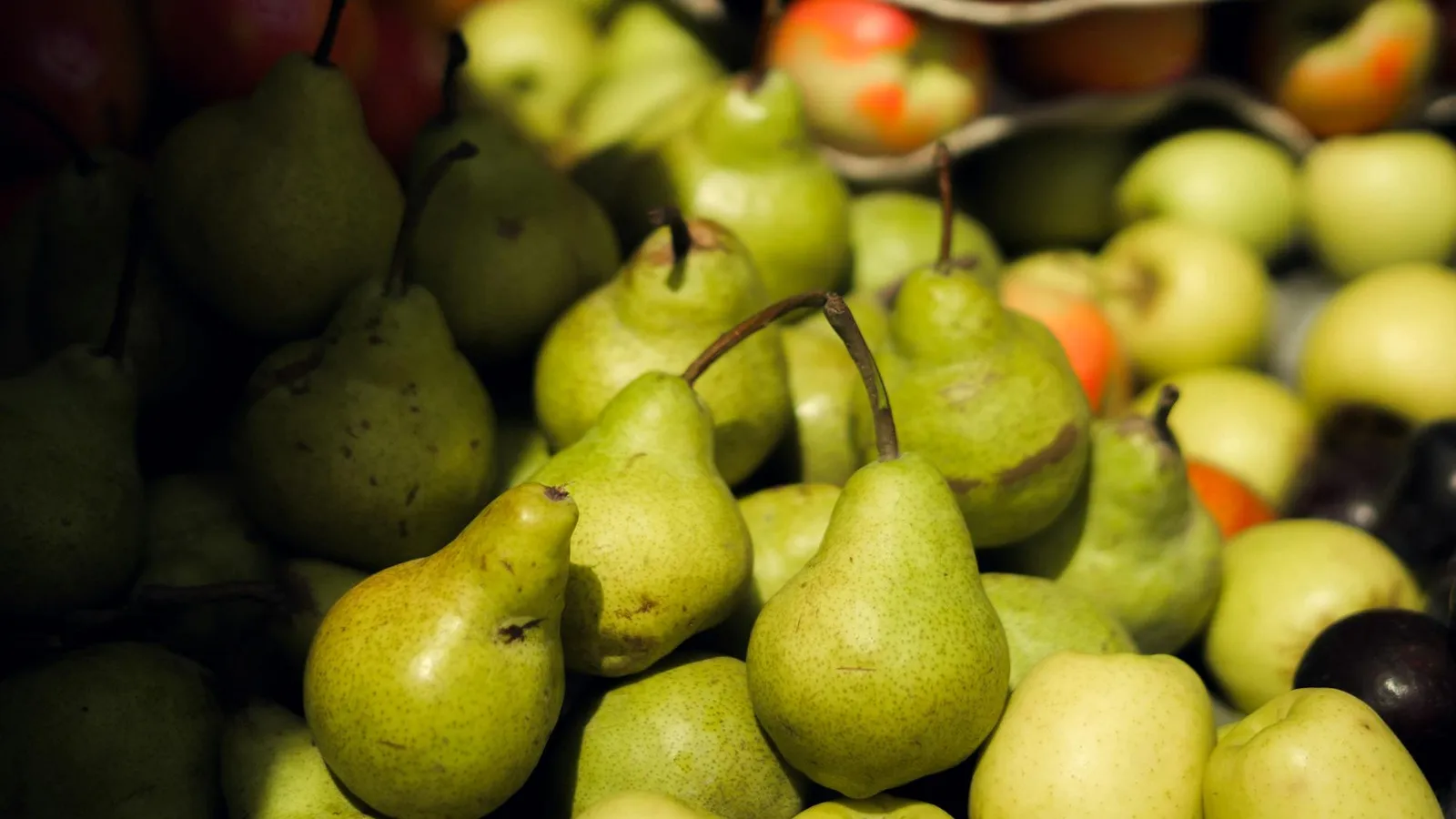
How to Pick Nashi Pears
How to pick nashi pears at an Australian shop or market: firm fruit, heavy for size, golden-brown skin with even russet, faint sweet scent.
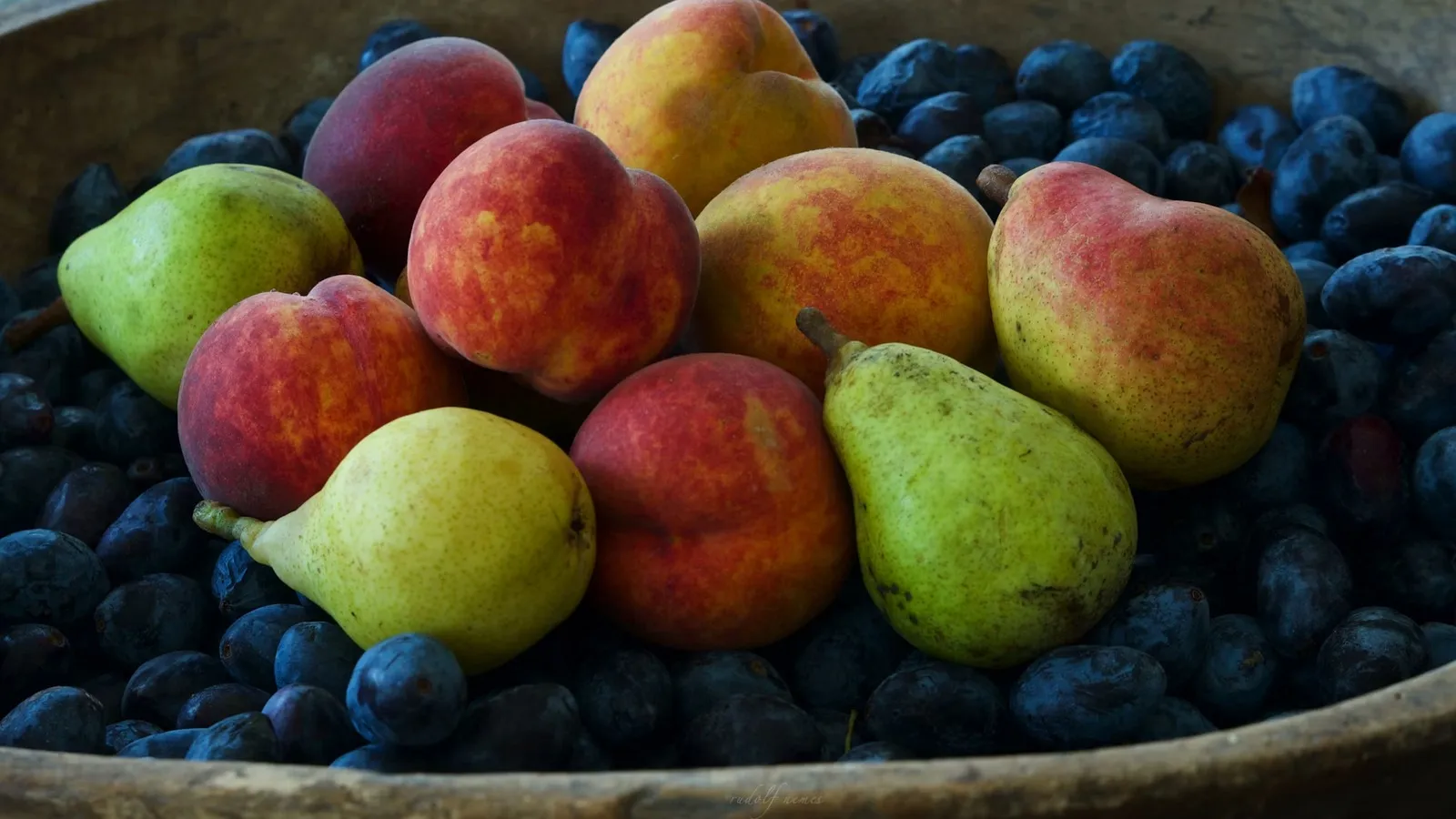
How to Store Nashi Pears
Store nashi pears in the fridge crisper for two to three weeks, or at room temperature for three to seven days. Keep them away from strong smells.
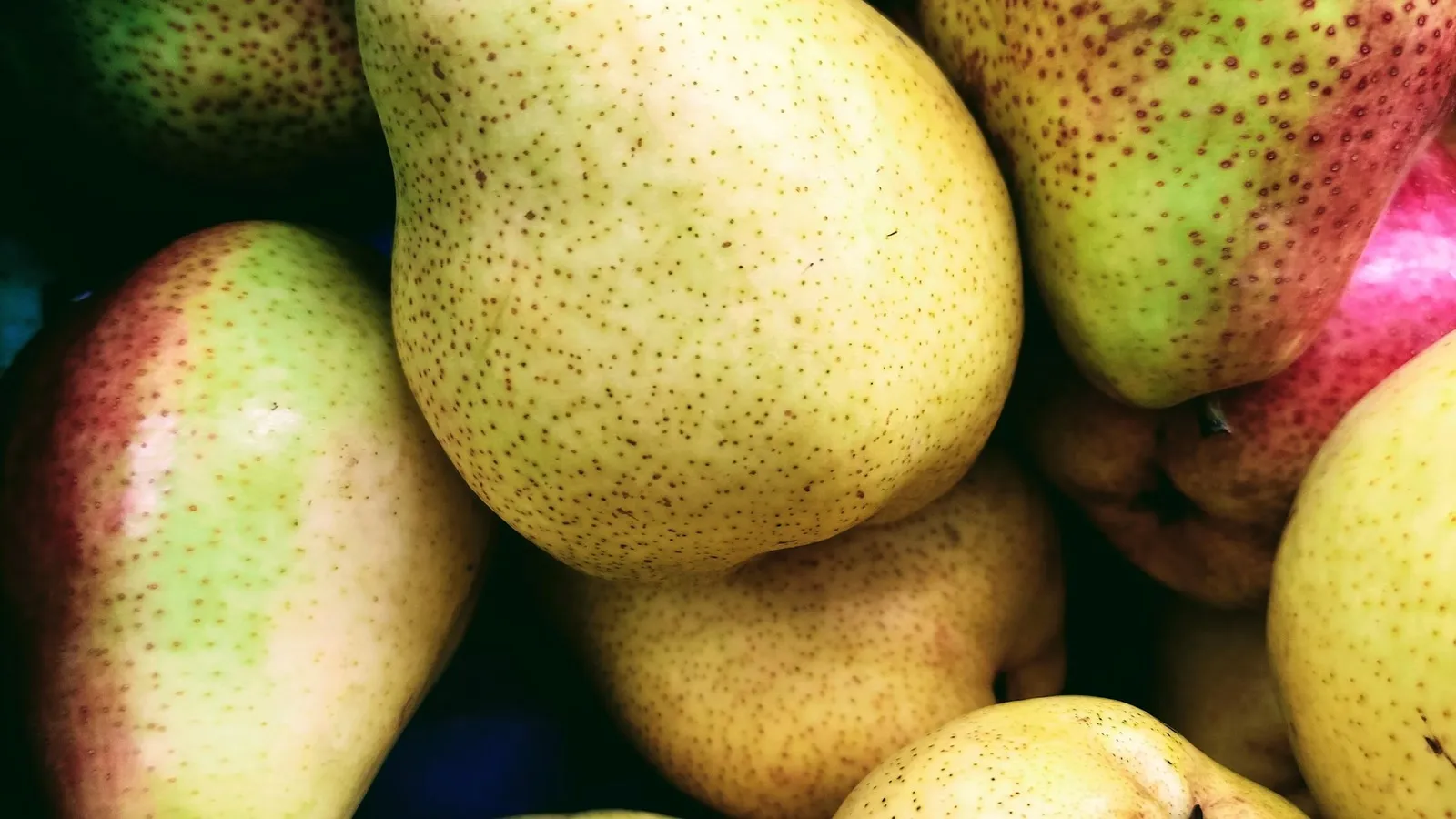
Nashi Pear Season in Australia
Nashi pears are in season in Australia from late February to May, with peak supply in March and April from the Goulburn Valley.