Nashi Pear Nutrition: What's Actually in a Nashi
Nashi pear nutrition explained: water, kilojoules, sugars, fibre, vitamin C, vitamin K, potassium, and copper, with Australian context.
A Nashi pear is roughly 88 percent water, low in kilojoules, and built mostly around carbohydrate with a useful slug of fibre. Vitamin C, vitamin K, copper, and potassium are present in modest amounts. The fat and protein content is close to zero. This page sets out the typical composition of an Australian Nashi pear per 100g and per fruit, with context against European pear and apple, and links out to the more specific calorie, fibre, and health benefit pages.
What’s in a Nashi pear
Typical values for raw Nashi pear, edible portion, per 100g. These are reference values drawn from standard food composition data. Exact figures vary with variety (Nijisseiki, Hosui, Kosui, Shinko), ripeness, growing region, and season.
| Nutrient | Per 100g | Per typical 200g fruit |
|---|---|---|
| Energy | 176 kJ (42 kcal) | 352 kJ (84 kcal) |
| Water | ~88g | ~176g |
| Protein | 0.5g | 1.0g |
| Fat | <0.3g | <0.6g |
| Carbohydrate | 10.6g | 21.2g |
| Sugars | ~7g | ~14g |
| Dietary fibre | 3.6g | 7.2g |
| Vitamin C | 3-4 mg | 6-8 mg |
| Vitamin K | 4-5 µg | 8-10 µg |
| Potassium | 120 mg | 240 mg |
| Copper | 0.06 mg | 0.12 mg |
The headline numbers are the water content (high) and the fibre content (also notable, particularly for a fruit that eats so crisp and clean). The Australian Dietary Guidelines, published through Eat for Health, count a 150g piece of fresh fruit as one serve, with adults targeted at two serves of fruit per day.
Per fruit, not per 100g
Per 100g is the standard reference, but most people eat fruit by the piece. Australian Nashi pears typically run between 200g and 260g for the common supermarket size. Larger Hosui and Shinko fruit can push 300g or more. For a fruit in the 200 to 260g range, expect roughly 85 to 110 kcal per piece, and around 7 to 9g of fibre.
Full detail on the energy side is on the Nashi pear calories page. The fibre context, including soluble versus insoluble and where it sits in the fruit, is on Nashi pear fibre.
Carbohydrate and natural sugars
The carbohydrate fraction is the dominant macro. Most of the sugar is fructose, with a meaningful contribution from sorbitol (a sugar alcohol that occurs naturally in pears, including Nashi). Sorbitol is part of why pears, including Nashi, have a gentler effect on blood glucose than the per-100g sugar figure alone would suggest.
The glycaemic index of pear (including Asian pear varieties) sits in the low range, typically reported around 30 to 38. The per-serve glycaemic load is also low, because the carbohydrate per fruit is moderate and the fibre slows absorption.
Vitamin and mineral profile
Nashi pear is not a standout source of any single micronutrient. The profile is the same broad shape as European pear:
- Vitamin C is present at around 3 to 4 mg per 100g. A whole fruit covers a small fraction of the NHMRC adult recommendation of 45 mg per day. Nashi pear is not a vitamin C food in the way citrus is.
- Vitamin K sits at around 4 to 5 µg per 100g, useful in the diet context but not a major dietary source.
- Copper is present at small but meaningful amounts (around 0.06 mg per 100g).
- Potassium at around 120 mg per 100g is moderate.
For the full NHMRC Nutrient Reference Values that these figures compare against, see the NHMRC NRVs.
Fibre, skin, and the soluble/insoluble mix
Nashi pear delivers around 3.6g of fibre per 100g, which is high for a fresh fruit. The fibre is a mix of soluble (including pectin) and insoluble (including cellulose) fractions. A meaningful share sits in or just under the skin, which is one reason most Australian eaters keep the skin on (a quick rinse and eat). See Nashi pear fibre for the breakdown.
Compared with European pear and apple
| Fruit | Energy/100g | Fibre/100g | Sugars/100g | Vitamin C/100g |
|---|---|---|---|---|
| Nashi pear | ~42 kcal | ~3.6g | ~7g | ~3-4 mg |
| European pear (Packham, Beurre Bosc) | ~57 kcal | ~3.1g | ~10g | ~4 mg |
| Apple (Pink Lady, Royal Gala) | ~52 kcal | ~2.4g | ~10g | ~5 mg |
Nashi sits noticeably lower in energy and sugar per 100g than European pear or apple, and at least matches them on fibre. The eating experience explains some of this: a Nashi is crunchier and juicier per bite because of the higher water fraction.
How variety changes the numbers
- Nijisseiki (Twentieth Century) is the classic Australian Nashi: round, pale green-yellow, crisp, low to moderate sweetness, high water.
- Hosui is browner skinned, larger, often sweeter, and slightly higher in sugars per fruit because of the larger size.
- Kosui is smaller, earlier, with a similar profile to Nijisseiki on a per-100g basis.
- Shinko is large, firm, late season, and tends to push the per-fruit calorie and fibre numbers up because it eats bigger.
The per-100g composition is broadly similar across these varieties. Per-fruit figures move with fruit size.
How Nashi pear sits in the day
For Australians using the Eat for Health two-serves-of-fruit guideline, a 200 to 260g Nashi pear is one serve. The fruit fits the same eating niches as apple or pear: morning tea, lunchbox, afternoon snack, sliced over yoghurt or porridge. The crisp texture and high water content make it work as a hot-weather snack as well as in cool weather.
For specific health questions (managing blood glucose, fibre intake targets, gut symptoms, weight goals), see Nashi pear health benefits for general context, and the Eat for Health resources for personal guidance.
A note on this information
This page is general information about Nashi pears as a food. It is not personal dietary or medical advice. For personal questions about diet, the appropriate references are Eat for Health, Healthdirect, and an accredited practising dietitian or your GP. For questions about feeding fruit to pets, the references are RSPCA Australia and the Australian Small Animal Veterinarians (ASAVA).
Related pages
Explore Nutrition
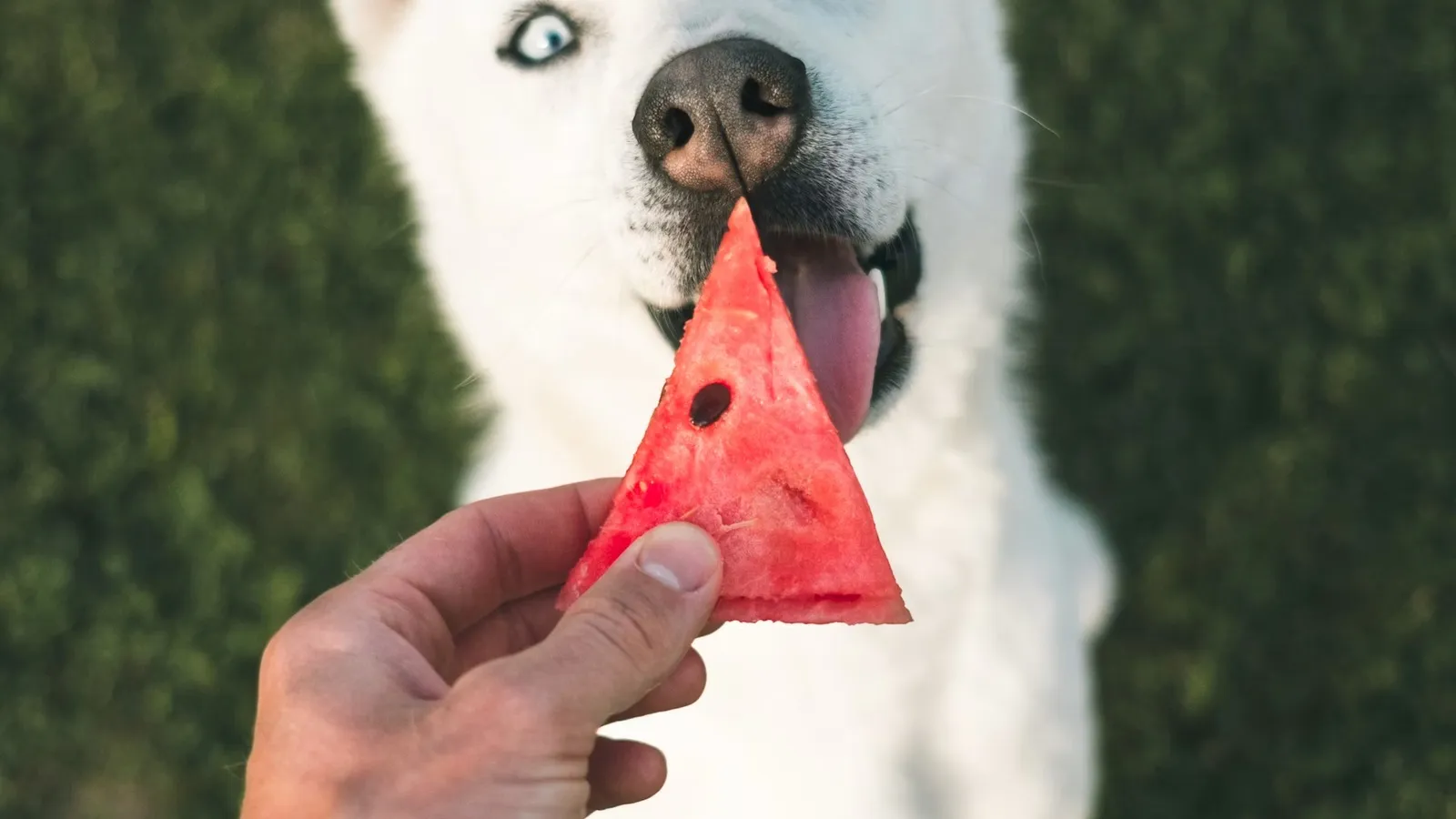
Can Dogs Eat Nashi Pears?
Can dogs eat Nashi pears? A common Australian search. Here is what a Nashi pear contains and where to find personalised guidance for a specific dog.
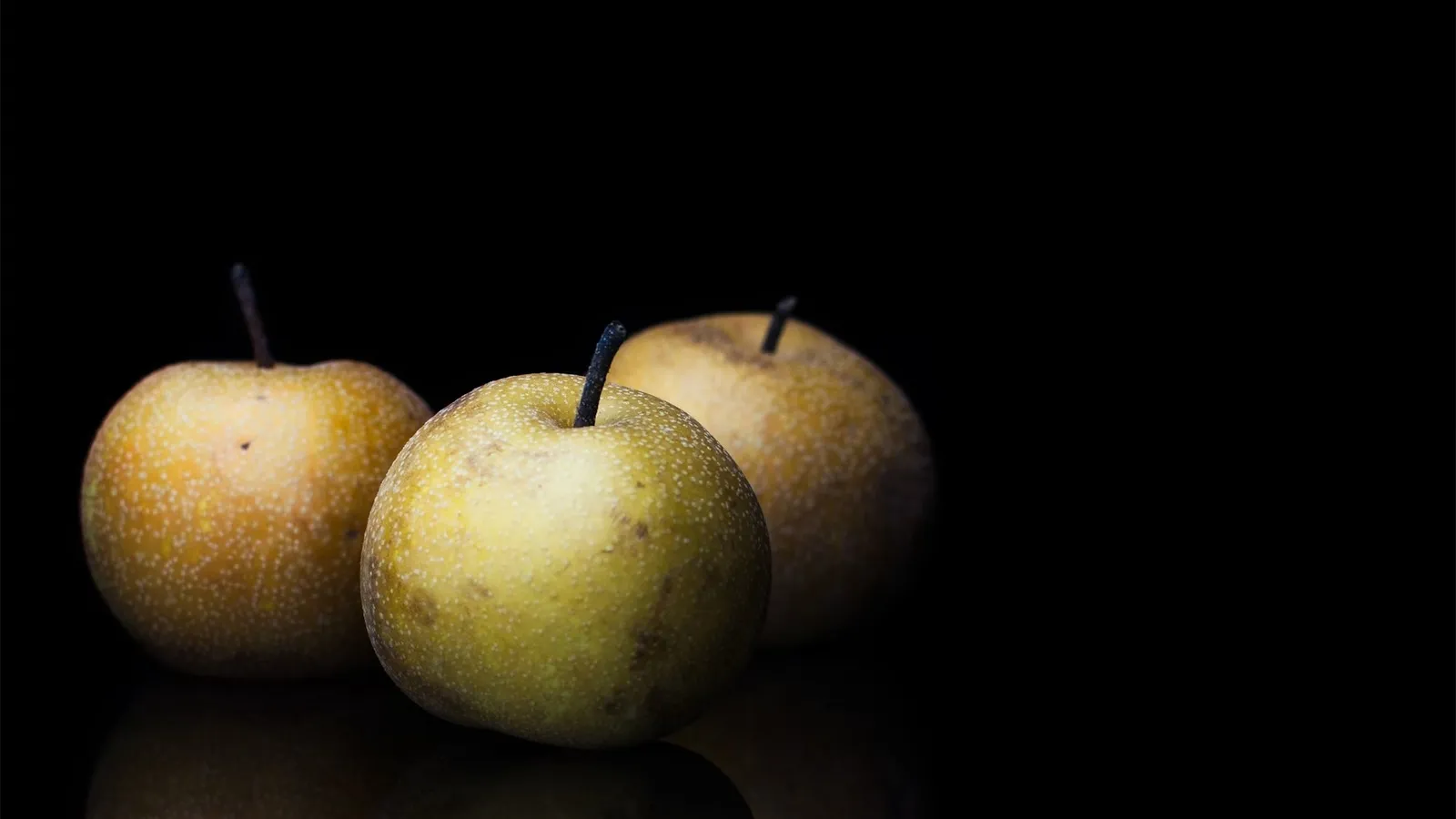
Nashi Pear Calories
Nashi pear calories: around 42 kcal per 100g and 85 to 110 kcal in a typical 200 to 260g Australian Nashi pear, with context.
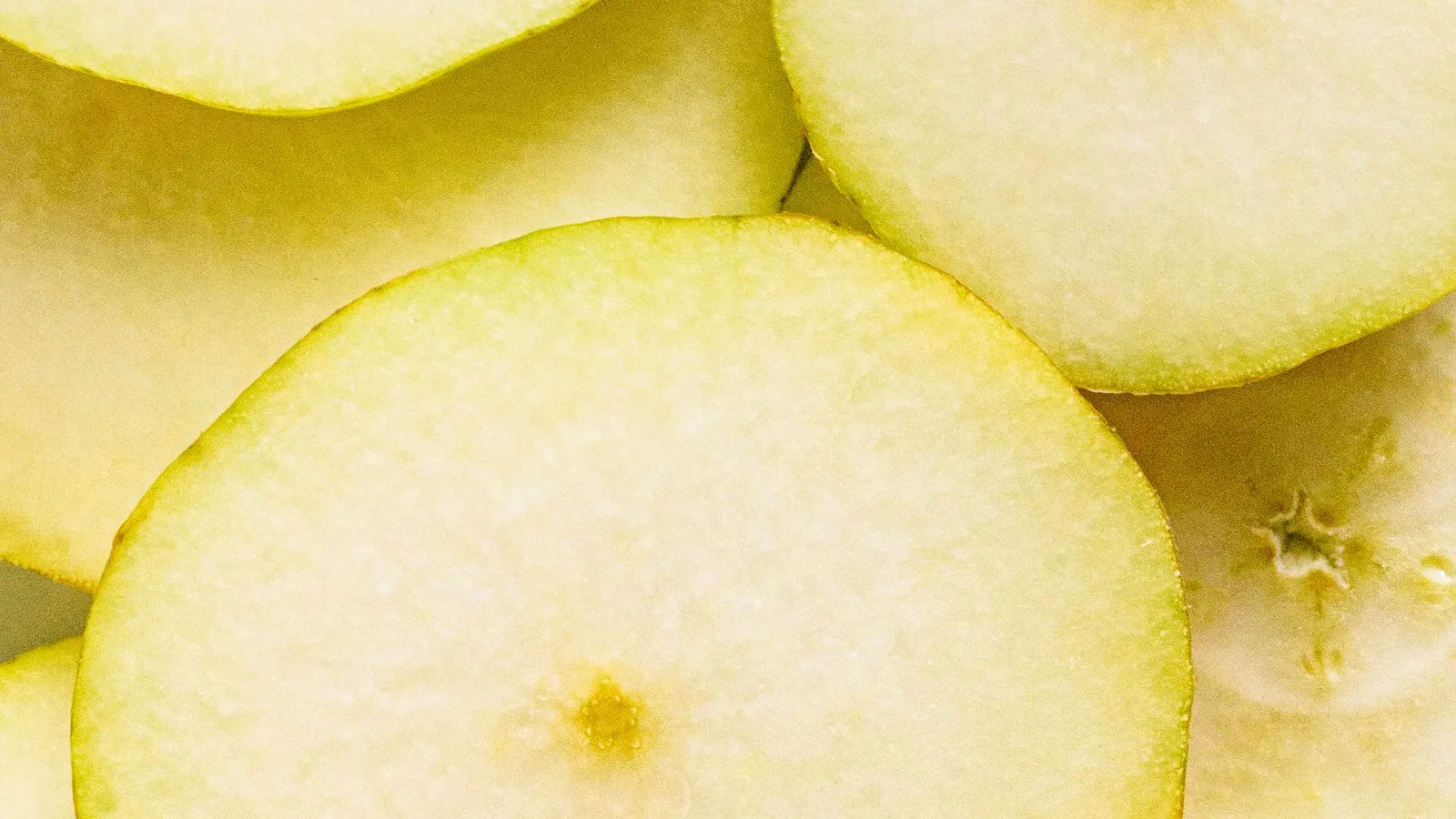
Nashi Pear Fibre
Nashi pear fibre: around 3.6g per 100g, a soluble and insoluble mix, with much of it in or just under the skin. Australian context.
Nashi Pear Health Benefits
Nashi pear health benefits in plain Australian terms: hydration, fibre, low glycaemic load, modest vitamin C. Descriptive, not medical advice.